
News
ECOWAS Free Movement, Labour Mobility: Key Drivers for AfCFTA Success, Regional Unity –Siaw-Boateng

By Linda Ike
ECOWAS Director of Free Movement of Persons and Migration, Albert Siaw-Boateng, said Free movement of persons and labour mobility are powerful catalysts for ECOWAS regional integration and the success of the African Continental Free Trade Area (AfCFTA).
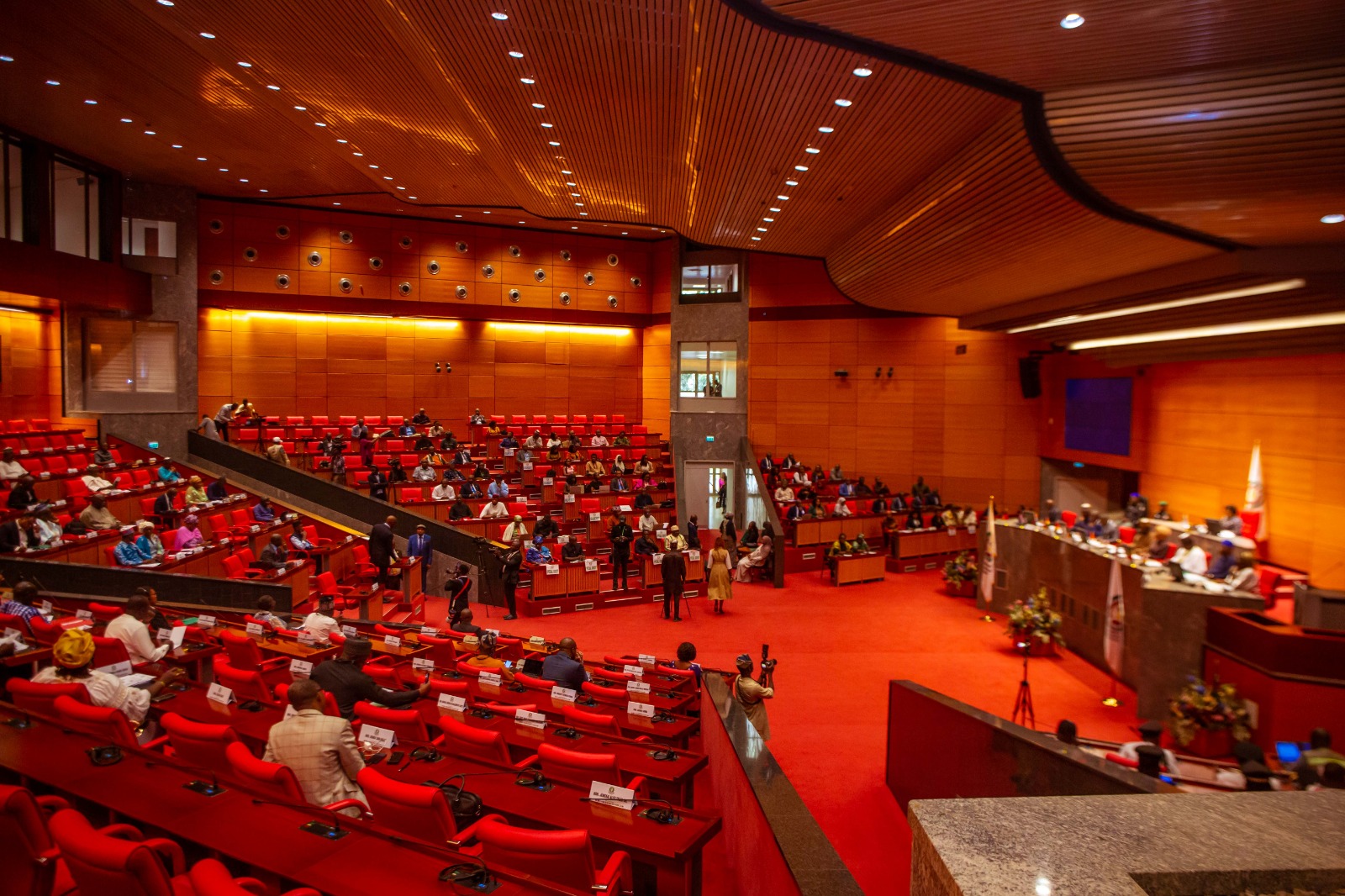
In his presentation at the ongoing 2026 ECOWAS Extraordinary session in Abuja,, Siaw-Boateng emphasised the direct link between human mobility and intra-regional trade growth.
He reviewed progress under the landmark ECOWAS Free Movement Protocol adopted in 1979 and revised in 1993 implemented in three phases: right of entry (visa-free travel with passport and yellow card, no 90-day limit), right of residence (income-earning employment per national laws), and right of establishment (non-discriminatory participation in economic activities like enterprise creation).
The protocol aligns with the continental free movement framework and forms a core pillar of ECOWAS’s community-driven integration agenda. It underpins the Regional Migration Policy, built on nine pillars including promoting free movement, managing labour and student mobility, enhancing migration-development links, and addressing climate change impacts.
Siaw-Boateng spotlighted key labour migration policies: the 2008 ECOWAS Common Approach on Migration, the newly validated Labour Migration Strategy and Action Plan (2025-2030) for safe, rights-based mobility, and the Decent Work Regional Programme, which includes Labour Market and Migration Information Systems (LMMIS) for evidence-based policies.
While the right of entry is fully implemented, challenges persist: limited labour inspections for migrants, weak social protection portability, and poor labour market data sharing.
ECOWAS priorities focus on aligning free movement with labour standards, supported by directorates on migration and social affairs in partnership with ILO, IOM, ICMPD, and the African Union Commission (AUC). Ongoing initiatives include the EU-funded FMM West II project, the ECOWAS National Biometric Identity Card (ENBIC), harmonized driver’s licenses, ECO-Visa, and programmes tackling data fragmentation, informality (affecting 70% of migrant workers), weak enforcement, skills mismatches, and rights gaps.
Labour mobility boosts industrial development, fills skills shortages, empowers SMEs, women, and youth, and strengthens informal cross-border trade. Opportunities ahead include robust ENBIC rollout, private sector involvement, digital LMMIS platforms, and skills partnerships.
Siaw-Boateng called for harmonised data systems and compliance monitoring to turn migration challenges into socioeconomic gains for West Africa.