
News
Abbas: Climate Ravaging Nigeria Now, Act on Decarbonisation or Lose $460bn GDP by 2050

By Ifeyinwa Ike
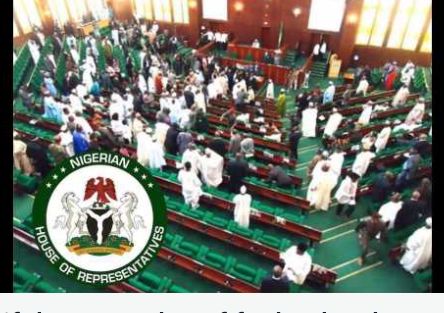
Speaker of the House of Representatives, Tajudeen Abbas has demanded swift action on Nigeria’s shift to a low-carbon economy, stressing that climate change is already ravaging communities nationwide with droughts in the North, floods and erosion in the East, rising temperatures in the West, and erratic rains in the South.
He stated this at the Decarbonisation Technical Roundtable in Abuja on Thursday, represented by Muktar Shagaya, Abbas called climate impacts a lived experience for Nigerians, not a future threat.
He tied it to the Paris Agreement’s global emissions cuts, warning inaction could slash 30% of GDP ($460 billion) by 2050, hammering agriculture, infrastructure, and energy.
Abbas clarified the agenda won’t gut Nigeria’s vital oil and gas sector but unlocks diversification, green industries, and investments aligned with world climate goals.
House Committee Chairman on Mandatory National Decarbonisation Programme, Sesi Whingan detailed the event as step one in forging a mandatory national framework, building on laws like the Climate Change Act 2021, Electricity Act 2023, Petroleum Industry Act 2021, and NESREA Act.
Whingan highlighted President Tinubu’s green push, including a Federal Government-approved National Carbon Market Framework eyeing $2.5-3 billion yearly via credits in forestry, renewables, clean cooking, and climate-smart farming.
The roundtable maps initiatives, boosts collaboration, and crafts investor-friendly laws.
The Director of the Global Wind Energy Council’s Africa,.Wangari Muchiri praised Nigeria’s momentum, fueled by Tinubu’s COP pledges as a job-creating chance to pivot carbon-heavy oil, gas, and agriculture into the booming carbon economy.
She urged partners for funding, tech transfer, and capacity to speed the low-carbon shift.
Path Forward with economic stakes soaring and global eyes watching, Abbas and allies signal Nigeria’s readiness to lead Africa’s green charge, balancing fossil fuel realities with bold diversification.
Success here could shield billions in losses while birthing a resilient economy for generations ahead.