
Headlines
PRESIDENT TINUBU: NIGERIA HAS MOVED FROM REFORMS TO AGE OF PROSPERITY

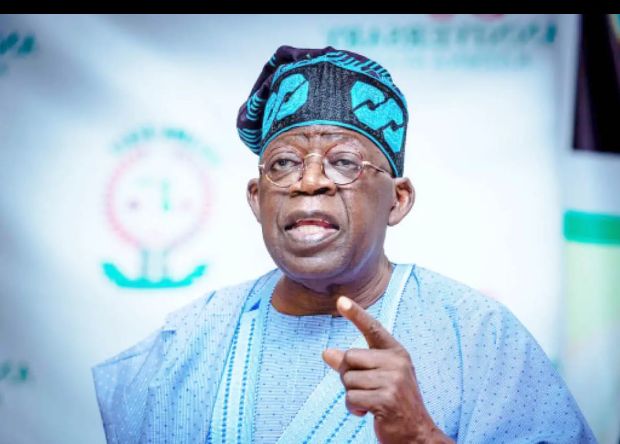
By Ifeyinwa Ike
President Bola Tinubu has declared that Nigeria has moved beyond the difficult phase of economic reforms and entered what he described as an age of prosperity, with a renewed focus on lowering the cost of living, creating jobs and reducing poverty.
Tinubu made the declaration on Thursday in his Independence Day address to Nigerians as the country marked its 66th anniversary, saying his administration had spent the past three years correcting what he described as deep economic distortions and laying the foundation for sustainable growth.
According to the President, Nigeria’s economy has grown by more than four per cent in 2026, with both oil and non-oil sectors contributing to the growth. He also said oil theft had declined, inflation had fallen from its peak, foreign reserves had been rebuilt and the foreign exchange market had stabilised.
Tinubu further said Nigeria recorded more than six billion dollars in non-oil export revenue in 2025, which he described as the country’s highest ever, while claiming that foreign direct investment had continued to rise.
He said the government’s priority had now shifted from economic correction to “shared and widespread prosperity,” with efforts focused on reducing the cost of producing and transporting goods.
The President said the government would expand mechanised irrigation and dry-season farming, improve access to seeds and fertiliser, increase agricultural mechanisation and invest in storage and transportation. He also highlighted ongoing investments in roads, railways and ports to connect farms, factories and markets.
On employment and industrialisation, Tinubu said his administration would use gas to power industries, support the revival of factories, expand digital connectivity and invest in skills, infrastructure and financing for Nigerian businesses.
He said the government’s objective was to create an economy where more Nigerians produce goods, farmers supply local markets and factories, and Nigerian businesses compete in international markets.
Acknowledging that millions of Nigerians still face hardship, Tinubu said the government was strengthening social protection through improved targeting of poor households, while expanding access to education, healthcare and other essential services.
He cited the Nigerian Education Loan Fund as part of efforts to make higher education accessible to students from low-income families, while the Consumer Credit Corporation (CREDICORP) is providing access to credit for assets such as vehicles, solar systems and digital devices.
The President also said salaries and pensions had been paid on time and in full since 2023, while reforms to the national pension system were aimed at benefiting retirees and vulnerable citizens.
Tinubu acknowledged that poverty and hardship had accumulated over decades and could not be eliminated within a single four-year term, but said his administration would change the country’s trajectory and create millions of productive opportunities.
He urged Nigerians not to return to what he described as unsustainable policies of the past, arguing that the economic reforms had corrected the country’s course.
“The age of reform has done its work. Now begins the age of prosperity,” Tinubu said, expressing confidence that Nigeria could build a future of broader opportunity and shared prosperity.
He called on Nigerians to move forward together, saying the country’s destination was a Nigeria where every child could aspire beyond the circumstances of birth and the nation’s economic potential would be reflected in the lives of its people.